

As the demand for AI and high-performance computing skyrockets, hyperscale data centers are facing a perfect storm: rising energy costs, aging utility infrastructure, and a desperate need for 24/7 reliability. The traditional model of relying solely on the central grid is no longer just a risk—it’s a bottleneck.
That is why we are seeing a massive shift toward islanded, hybrid microgrids. These aren't just backup systems; they are primary power solutions capable of supporting a data center’s entire load independently and efficiently.
That is why we are seeing a massive shift toward islanded, hybrid microgrids. These aren't just backup systems; they are primary power solutions capable of supporting a data center’s entire load independently and efficiently.
The "Speed to Service" Mandate
Right now, the industry is in a race. With massive federal funding and initiatives—stemming from the Infrastructure Investment and Jobs Act (IIJA) and the Federal-State Modern Grid Deployment Initiative—there is an unprecedented push to modernize our energy infrastructure. However, the surge in demand for AI and data utilities means that waiting for traditional utility interconnections can now take years.
For many developers, "Speed to Service" is the deciding factor. Islanded microgrids allow you to bypass the queue, taking control of your own deployment timeline rather than waiting for overtaxed utilities to catch up.
Why Go Off-Grid? The Core Benefits
-
Cost Control and Predictability: In many locations, the "all-in" cost of generating your own power is now lower than the escalating industrial rates and peak-demand charges. By eliminating transmission and distribution (T&D) fees, data centers can achieve a significantly lower utility bill.
-
Rapid Deployment: By utilizing hybrid systems, developers can break ground and scale power capacity on their own schedule, meeting the aggressive timelines required by today’s tech climate.
-
Unmatched Reliability: Decoupling from the main grid eliminates the risk of rolling blackouts or frequency instabilities, ensuring the 100% uptime that hyperscale clients demand.
-
Hybrid Sustainability: A hybrid microgrid allows for the seamless integration of on-site solar, wind, and advanced battery storage (BESS), helping you meet ESG goals with total transparency.
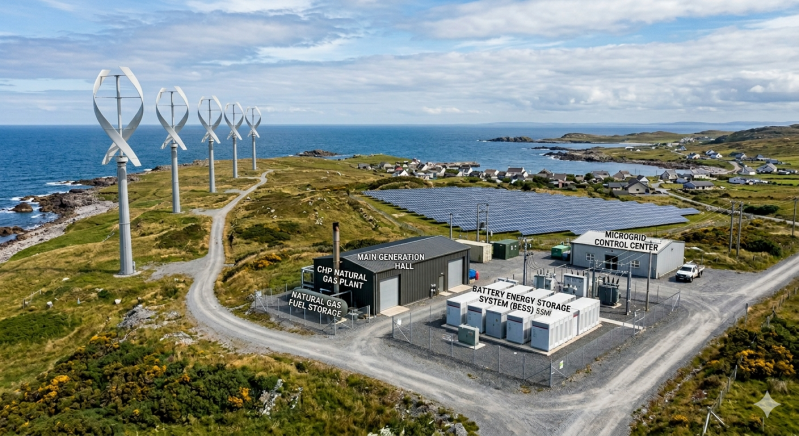
The Microgrid Consortium: Leading the Charge with Our ECOSYSTEM
At the Microgrid Consortium, we aren't just talking about these solutions—we are building them. We are currently engaged in several active islanded data center projects, navigating the technical and regulatory landscape to deliver off-grid sovereignty.
Our ecosystem brings together the technical expertise and strategic partners needed to leverage current federal initiatives and turn "Speed to Service" into a competitive advantage.
Let’s Discuss Your Next Project
The transition to islanded power is a strategic move that requires a deep understanding of hybrid integration. If you are looking to lower your energy costs and secure your power future, I invite you to join the conversation.
Contact me today to set up a meeting. Let’s discuss how an islanded microgrid can support your project and how the Microgrid Consortium can help you execute it.
Add comment
Comments